
Why Bioanalysis is Critical for Emerging Biologics & Peptides
Introduction: Understanding the Rising Importance of Biologics & Peptides
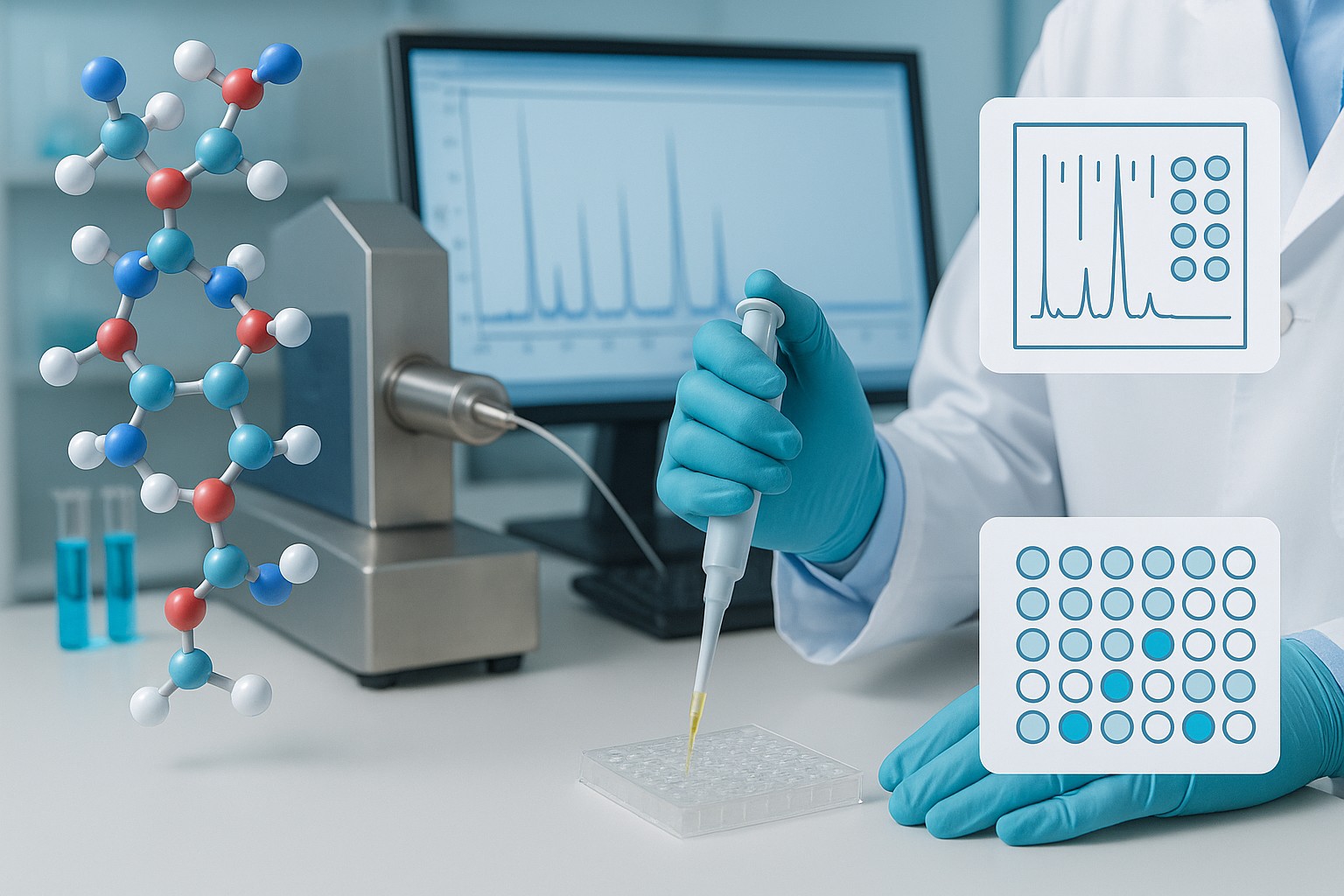
Biologics and peptides are transforming modern medicine, providing new therapeutic options for chronic diseases, cancer, autoimmune conditions, and precision medicine. These advanced drugs work in sophisticated ways within the human body, and their development depends heavily on accurate, validated bioanalytical testing.
When exploring why bioanalysis is critical for emerging biologics & peptides, it becomes clear that without dependable analytical methods, understanding drug safety, stability, and performance would be nearly impossible. Bioanalysis delivers the scientific certainty required for clinical trials, regulatory approval, and real-world success.
What Makes Emerging Biologics & Peptides Unique?
Structural Complexity and Molecular Diversity
Biologics-whether monoclonal antibodies, fusion proteins, or gene therapies-are large, intricate molecules with complex 3D shapes. Peptides, although smaller, include varied sequences and structures that influence their stability, activity, and breakdown patterns.
Instability and Rapid Degradation
Unlike small molecules, peptides degrade quickly due to enzymes, while biologics can unfold, aggregate, or lose their activity. This demands bioanalytical tools capable of precise detection at every stage.
Advanced Therapeutic Applications
These molecules target pathways traditional drugs cannot reach. This valuable specificity requires equally detailed bioanalytical evaluation to ensure consistent performance.
The Role of Bioanalysis in Modern Drug Development
Bioanalysis plays a central role in ensuring emerging biologics and peptides behave predictably and safely in the human body.
Ensuring Safety and Efficacy
Accurate measurement of concentration levels prevents overdosing or underdosing and ensures clinical trial outcomes are meaningful.
Regulatory Demands for Validation
Regulatory bodies require validated methods demonstrating accuracy, precision, sensitivity, and reproducibility before trials can advance.
Supporting Clinical Development From Start to Finish
From preclinical trials to post-marketing surveillance, bioanalysis provides ongoing insights into drug performance.
Bioanalytical Techniques Essential for Biologics & Peptides
Ligand Binding Assays (LBA)
LBA methods such as ELISA rely on antibodies to detect biologics. They’re highly selective and ideal for large molecules.
LC-MS/MS for Peptide Quantification
Mass spectrometry is the gold standard for peptides because it delivers high sensitivity, structural detail, and accurate quantification-even at low doses.
Hybrid Assay Approaches
By combining the strengths of LBA and MS, hybrid assays deliver improved specificity for complex or modified molecules.
Challenges in Bioanalyzing Emerging Biologics & Peptides
Immunogenicity Assessment
Biologics can trigger immune responses that neutralize the therapy or alter its behavior. Detecting anti-drug antibodies (ADAs) is essential for safety.
Matrix Effects and Sample Variability
Biological matrices like plasma or serum can produce interference. Method optimization and validation help reduce errors.
Need for Ultra-Low Sensitivity
Many peptides circulate in tiny concentrations. High-sensitivity analytical instruments are required to detect them reliably.
Why Bioanalysis is Critical for Emerging Biologics & Peptides
Precision in Measuring Biological Responses
Bioanalysis ensures accurate interpretation of pharmacokinetics and pharmacodynamics, which influence dosage and safety profiles.
Detecting Modifications and Degradation Products
Biologics can oxidize, cleave, or aggregate. Peptides often break down quickly. Bioanalysis uncovers these changes to maintain product quality.
Consistent Product Quality for Regulatory Approval
Batch-to-batch consistency is mandatory. Bioanalysis provides the evidence regulators need to approve a therapy for clinical use.
Case Studies: Bioanalysis in Real-World Biologic Development
Monoclonal Antibodies
Bioanalysis helps evaluate PK profiles, immunogenicity, and therapeutic response, ensuring accurate dosing strategies.
Cell and Gene Therapies
These cutting-edge medicines require advanced analytics to track vector persistence, transgene expression, and cellular behavior.
Peptide Therapeutics
Bioanalytical testing ensures peptide stability, detection of metabolites, and reliable performance during clinical development.
Bioanalysis & Regulatory Expectations
For official guidelines, refer to the FDA Bioanalytical Method Validation document:
https://www.fda.gov/media/70858/download
FDA & EMA Standards
Regulators require full validation covering accuracy, sensitivity, selectivity, precision, carryover, and stability.
Core Validation Criteria
- Reproducibility
- Sensitivity
- Matrix stability
- Robustness
- Selectivity
- Documentation
Future Trends in Bioanalysis for Biologics & Peptides
Automation and High-Throughput Analysis
Robotic sample preparation increases consistency and reduces human error.
AI and Machine Learning Integration
AI tools help interpret complex data faster and detect patterns invisible to the human eye.
Next-Generation Mass Spectrometry
New MS instruments offer higher sensitivity, faster scan speeds, and improved resolution for biologics and peptides.
FAQs
1. Why is bioanalysis essential for biologics and peptides?
Their complexity and instability require precise testing to ensure accurate dosing and safety.
2. What methods are most effective for analyzing peptides?
LC-MS/MS is considered the gold standard due to its accuracy and sensitivity.
3. What makes biologics harder to analyze?
Their large size, structural complexity, and potential for immunogenicity pose significant challenges.
4. Why is immunogenicity testing necessary?
It helps detect anti-drug antibodies that may reduce effectiveness or cause reactions.
5. How does bioanalysis support regulatory approval?
Validated bioanalytical data confirms the therapy’s quality, consistency, and safety.
6. Is bioanalysis evolving with new technologies?
Yes-advances in AI, automation, and mass spectrometry are reshaping the field.
Conclusion
Understanding why bioanalysis is critical for emerging biologics & peptides reveals just how vital this field is to modern drug development. As biologics and peptides become central to today’s therapeutic landscape, bioanalysis ensures each molecule is evaluated with accuracy, sensitivity, and scientific rigor. Ultimately, it protects patient safety while supporting the development of groundbreaking therapies that continue shaping the future of medicine.
